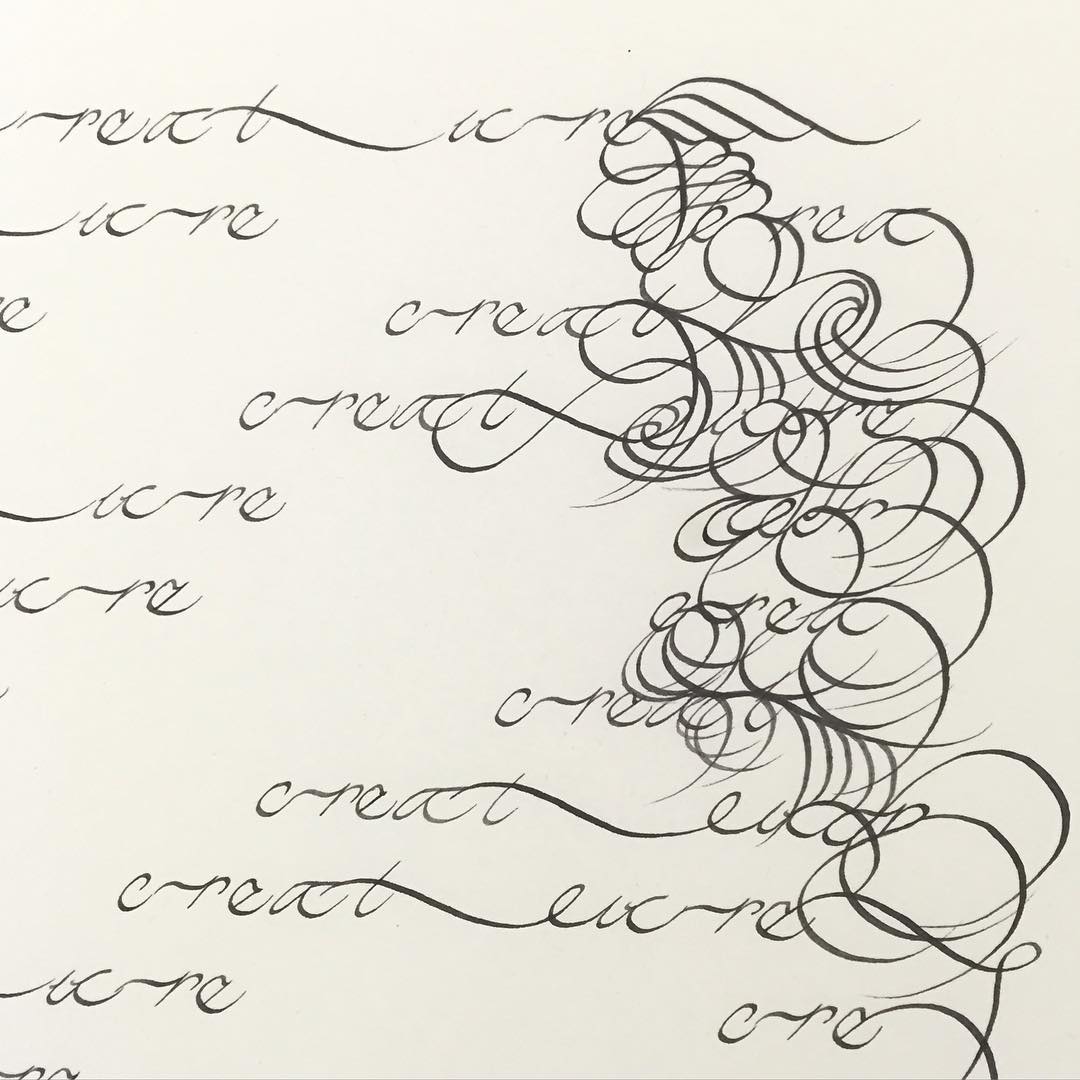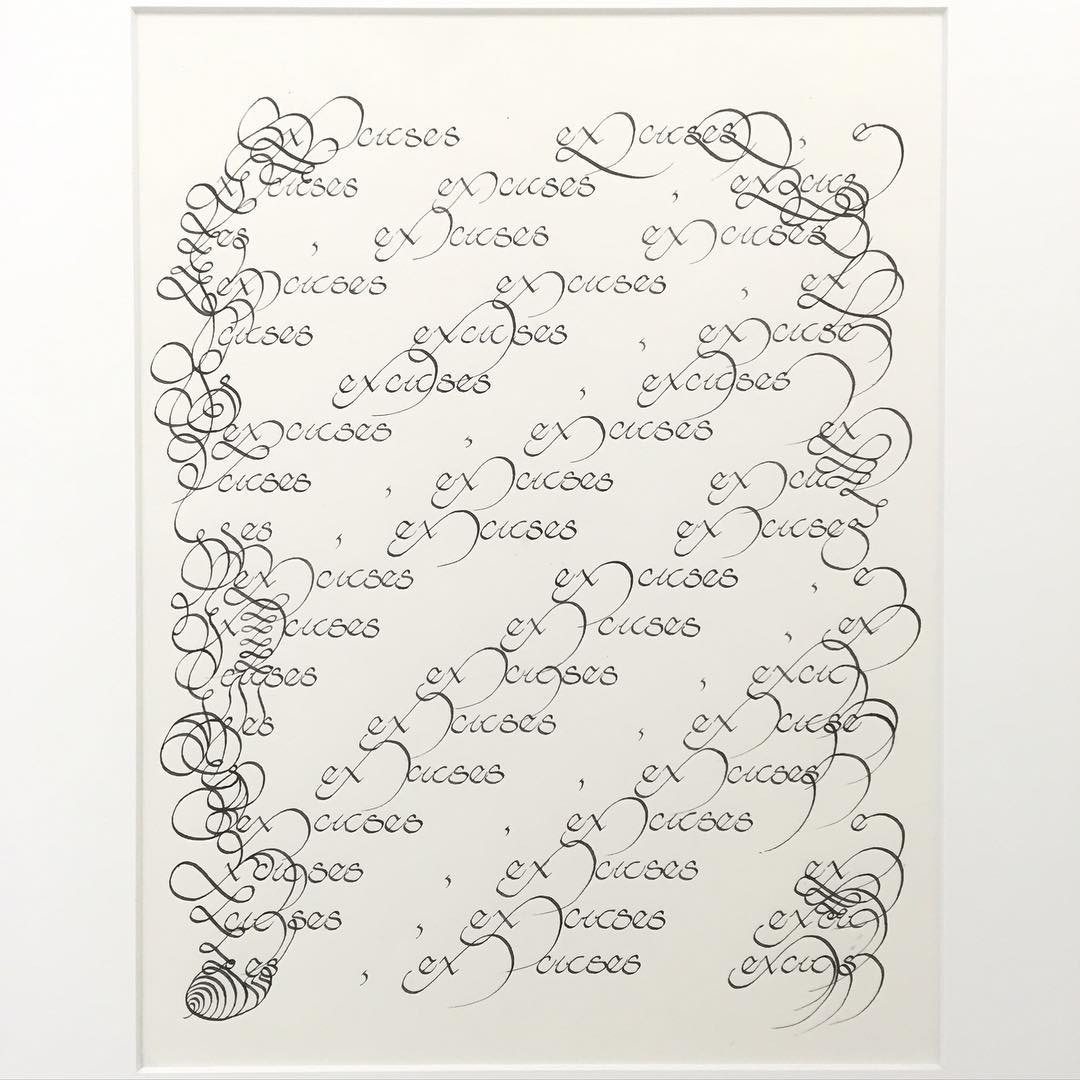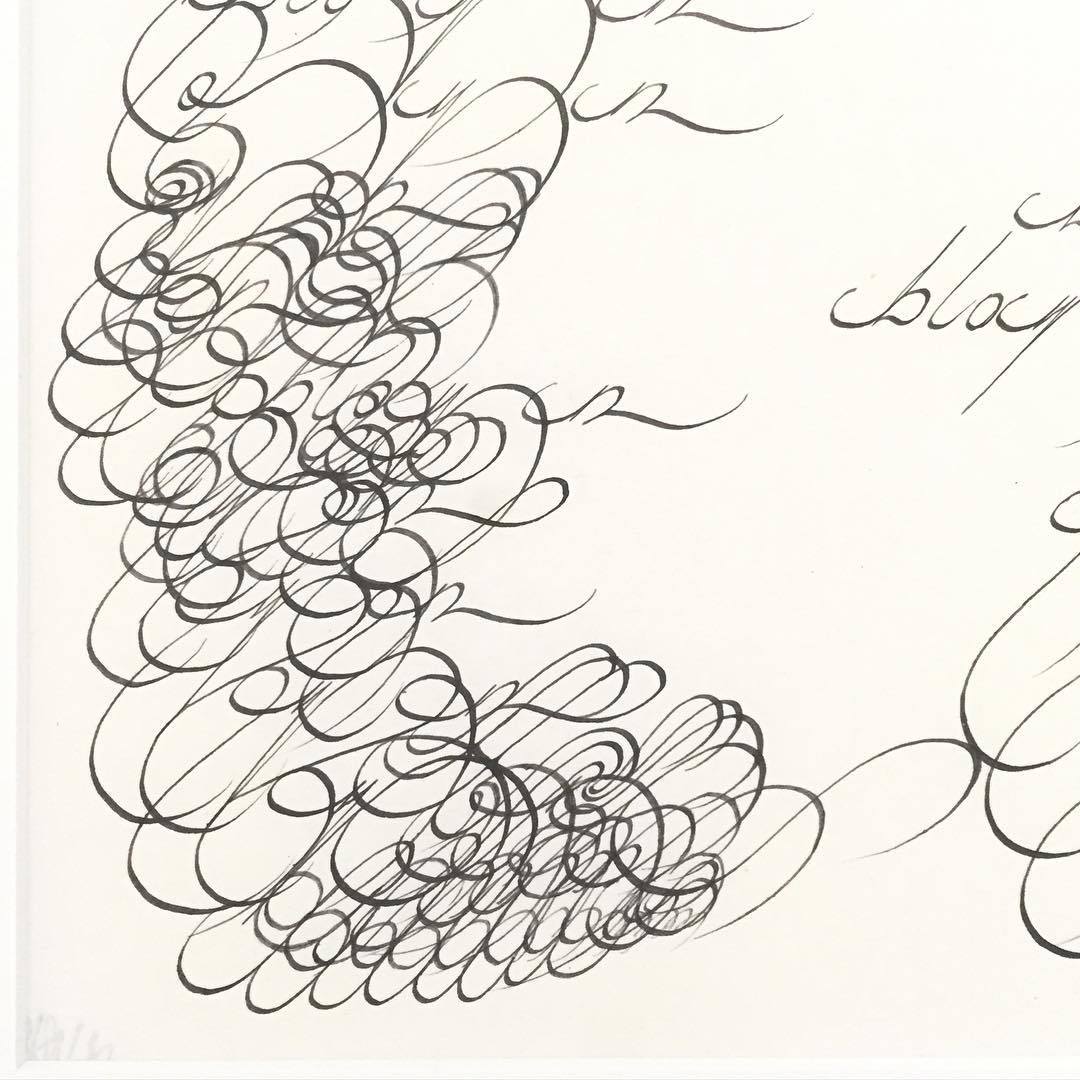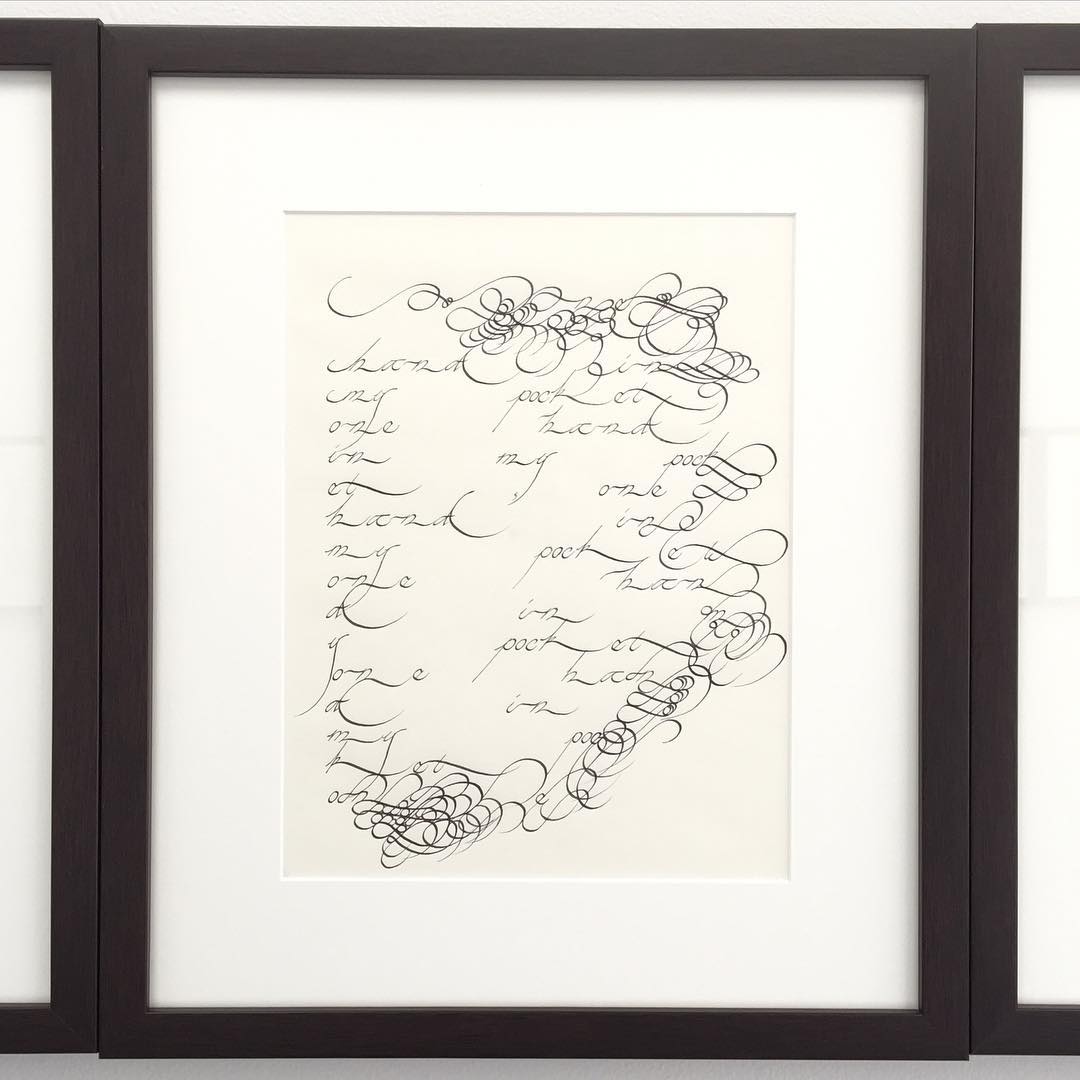










Ron Rege, Jr. - From the Word of First Thought
October 12 - December 16, 2018
@ The Anderson of Virginia Commonwealth University in Richmond, VA - 907 1/2 Franklin St. Richmond, VA 23284

OPENING RECEPTION
Friday, October 12th from 6 PM to 9 PM
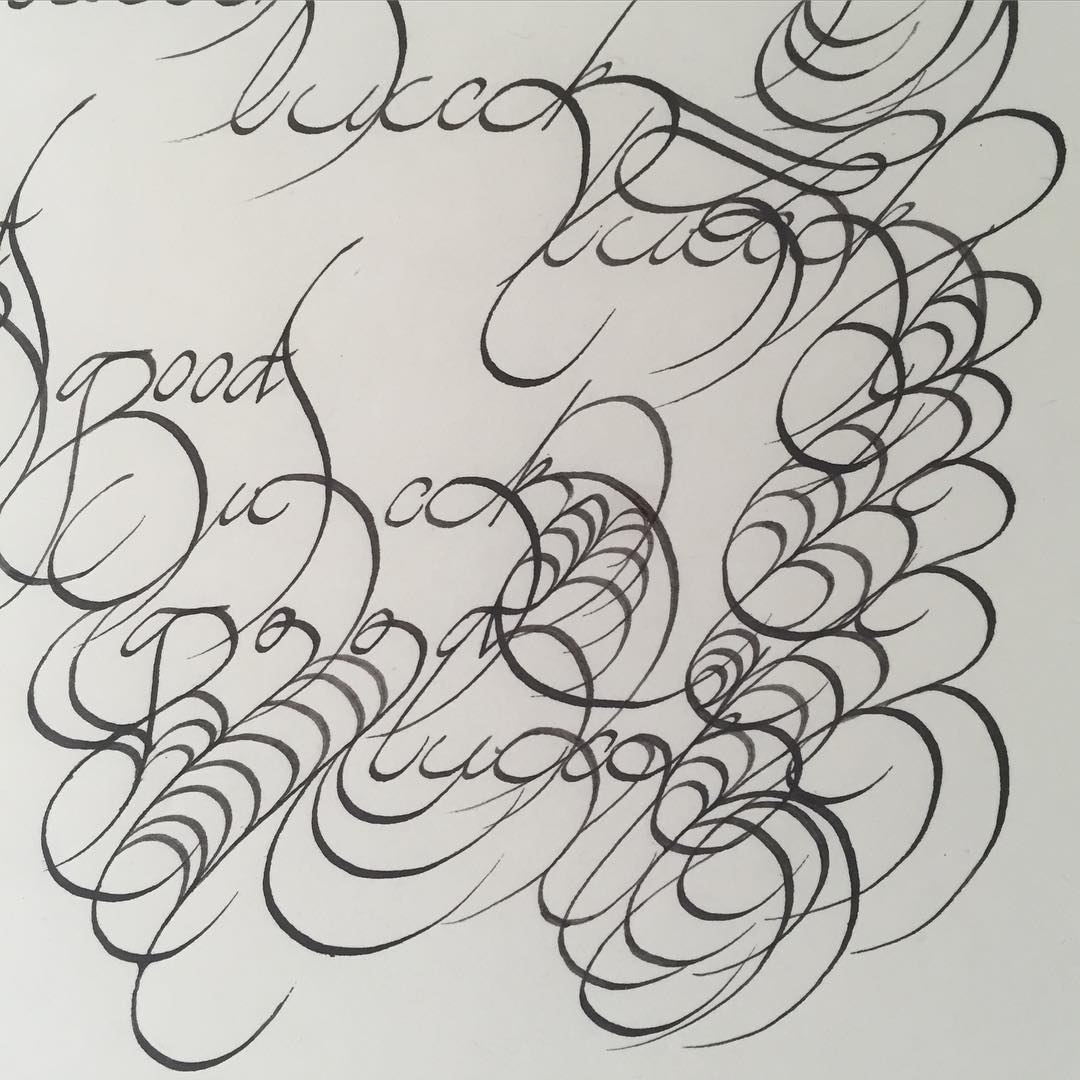
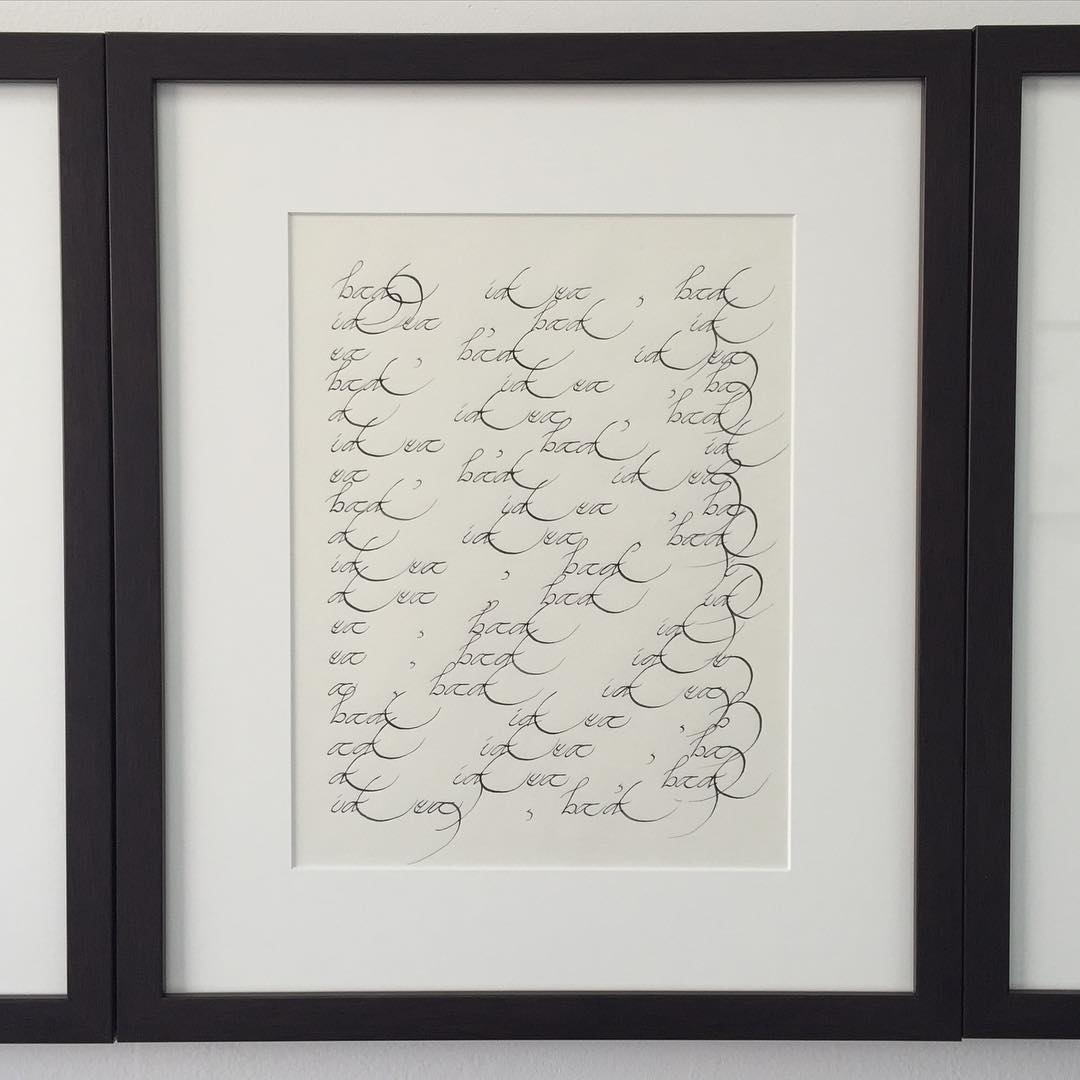
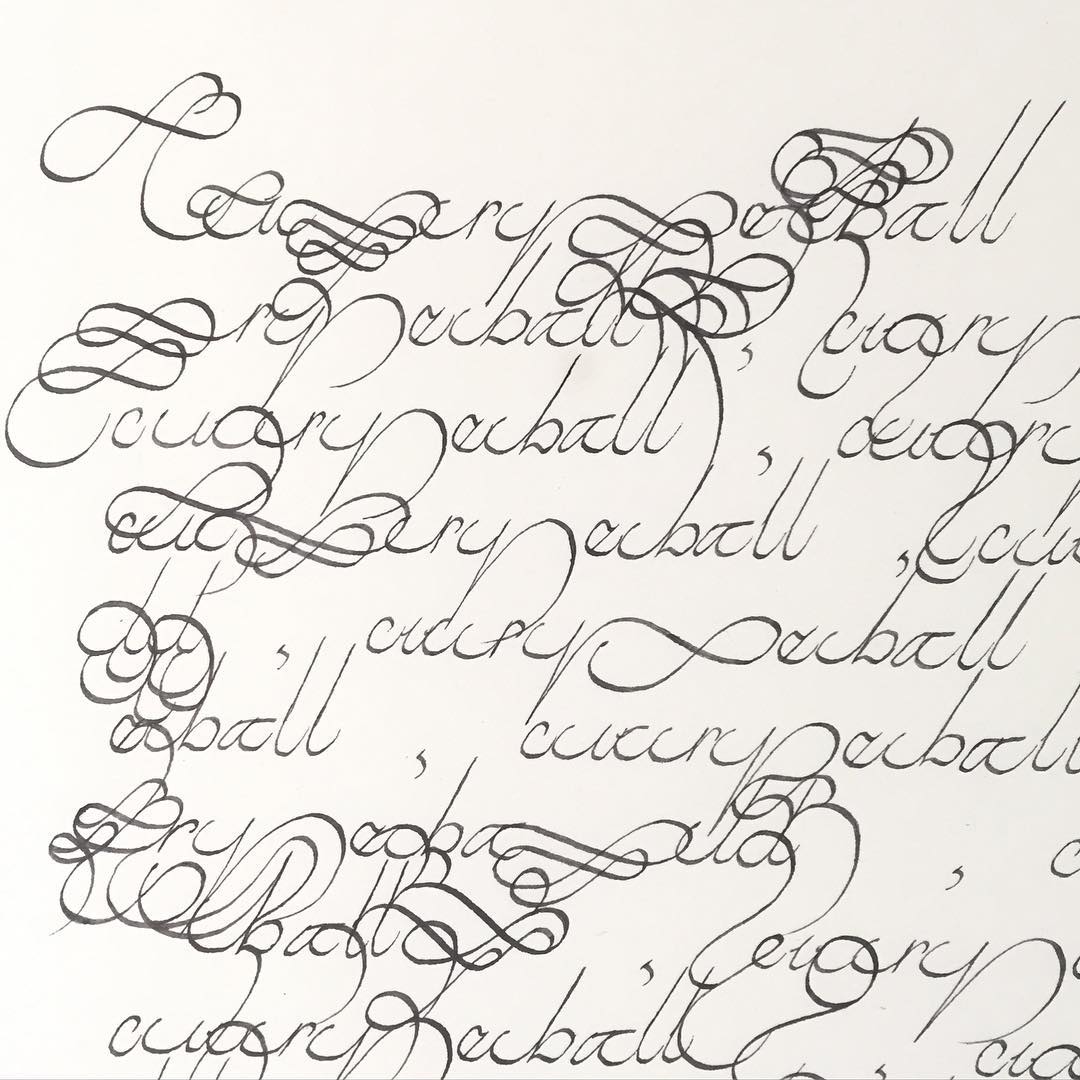
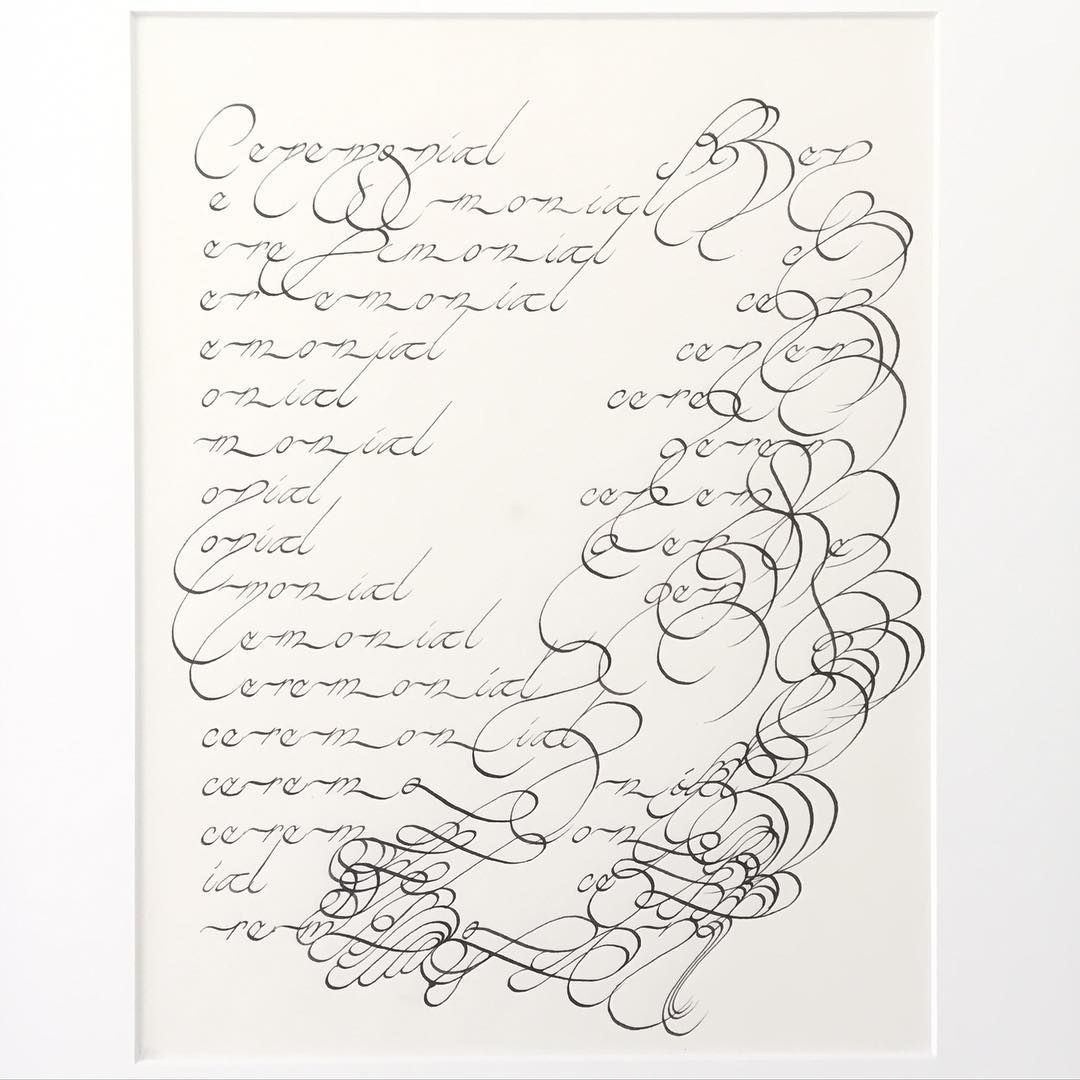
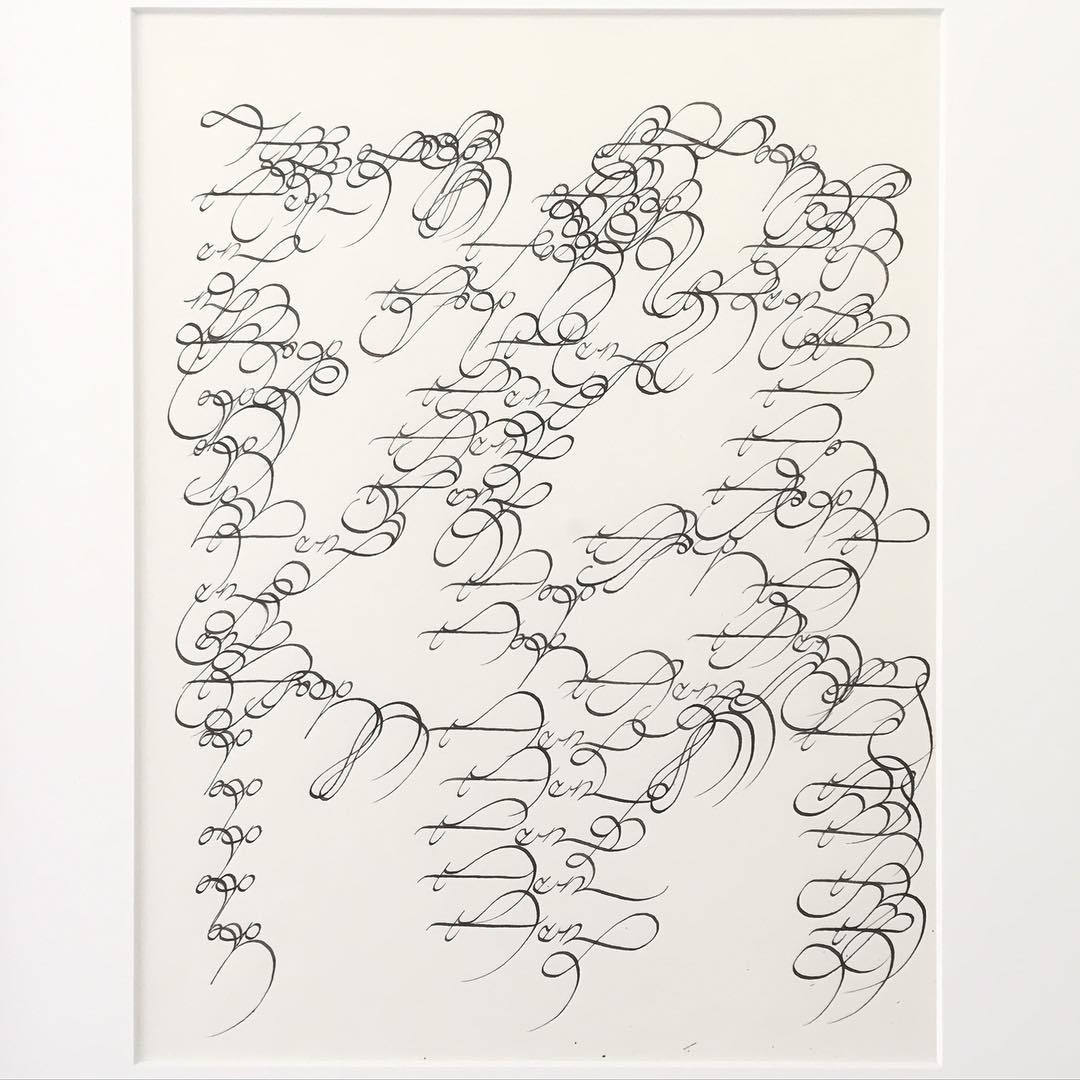
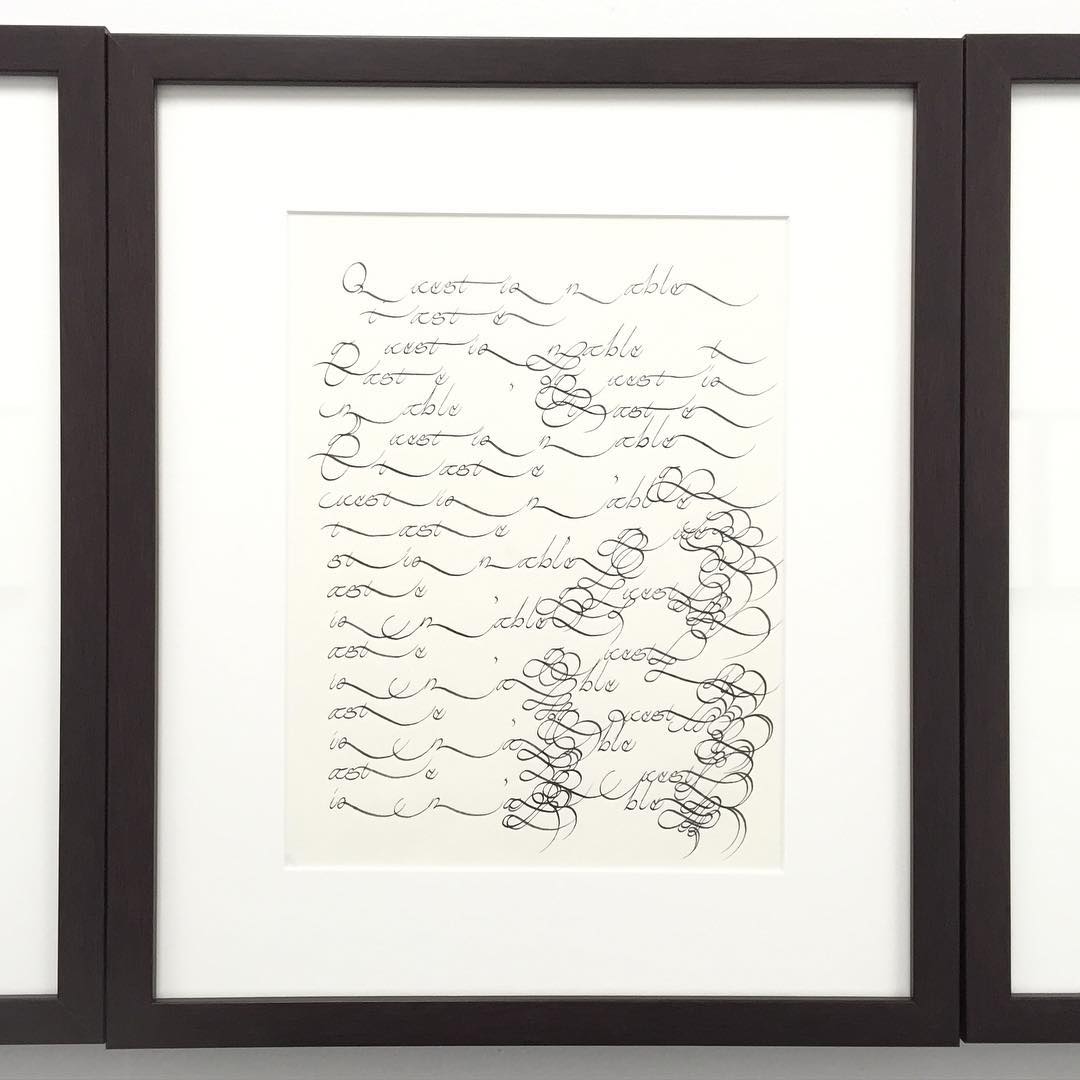
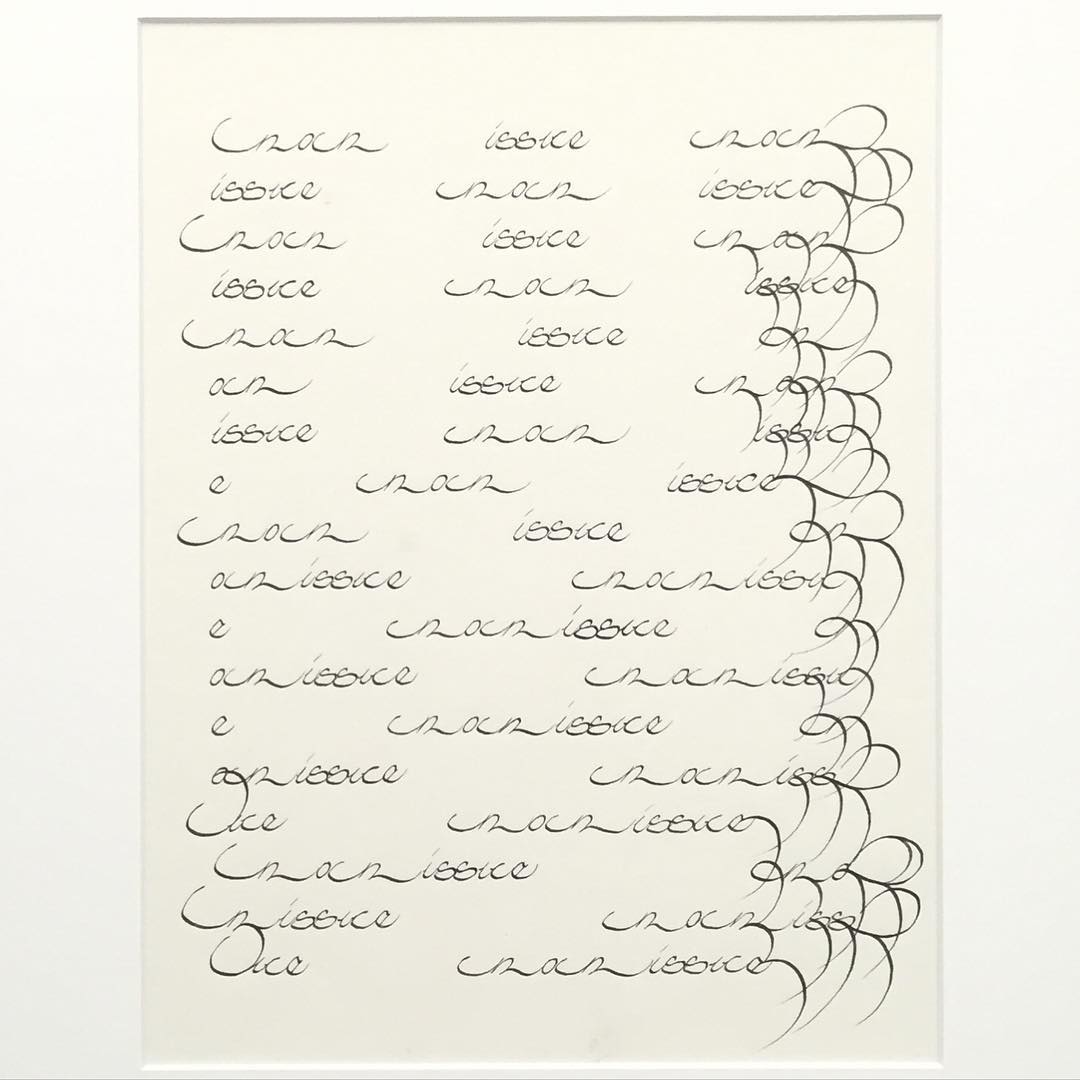
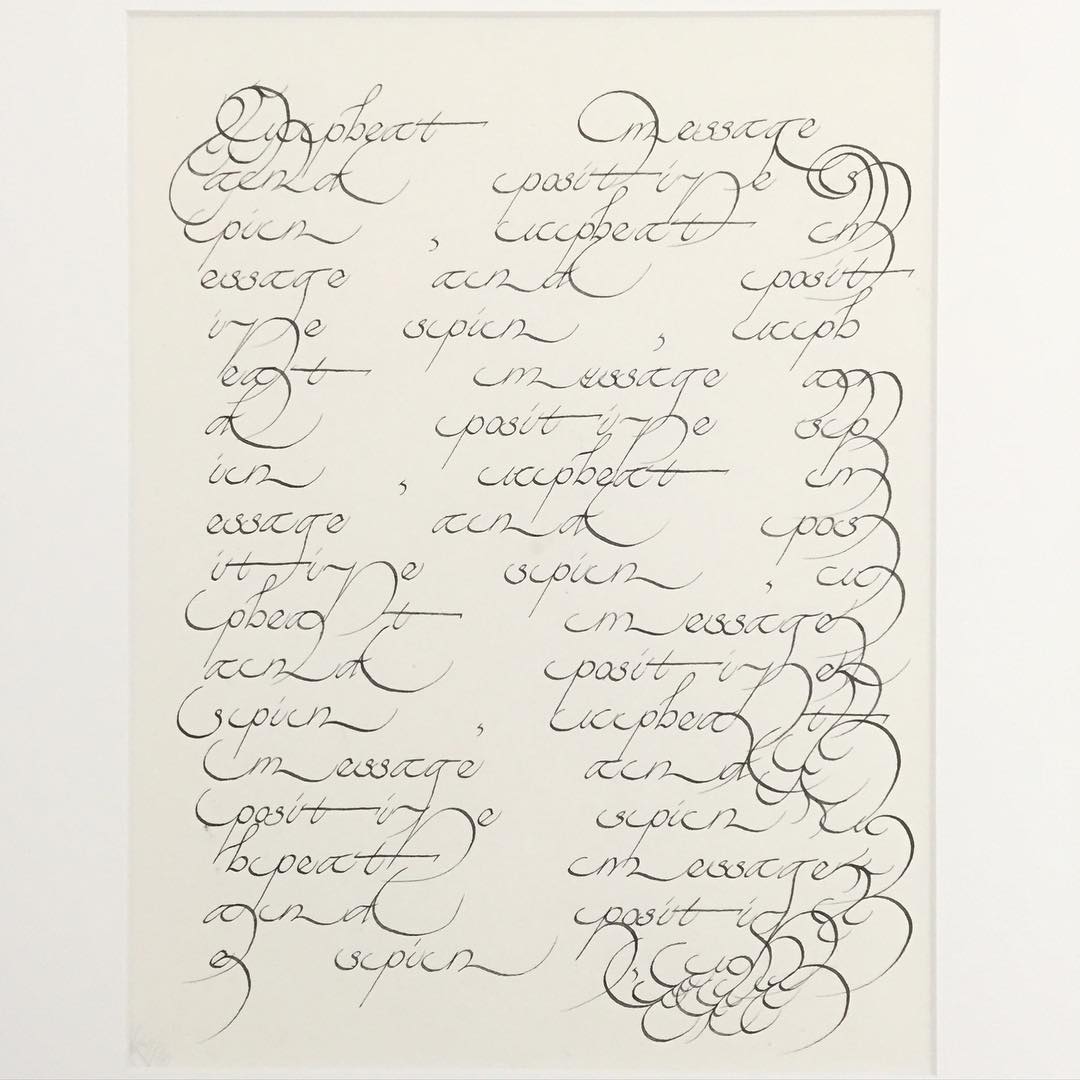
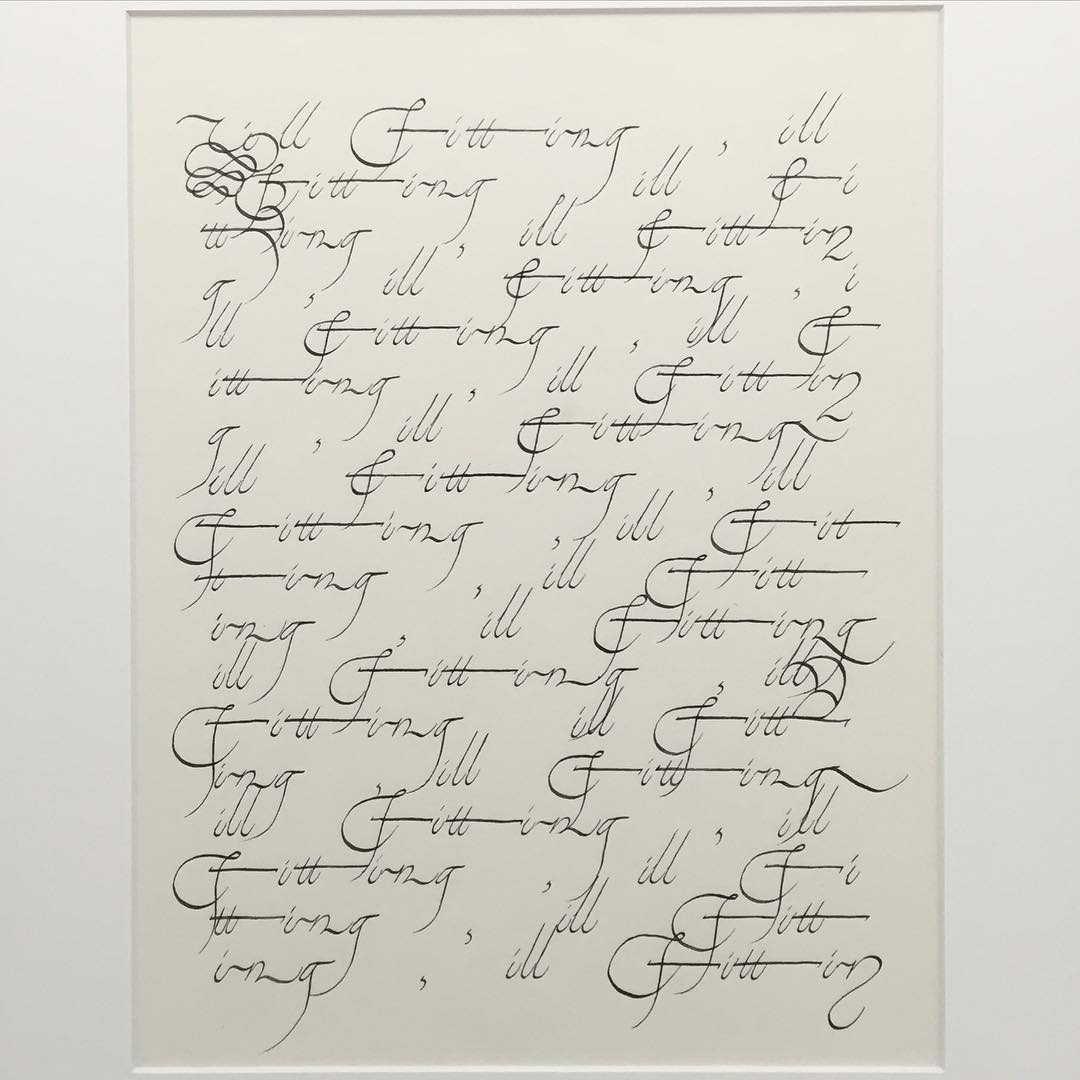
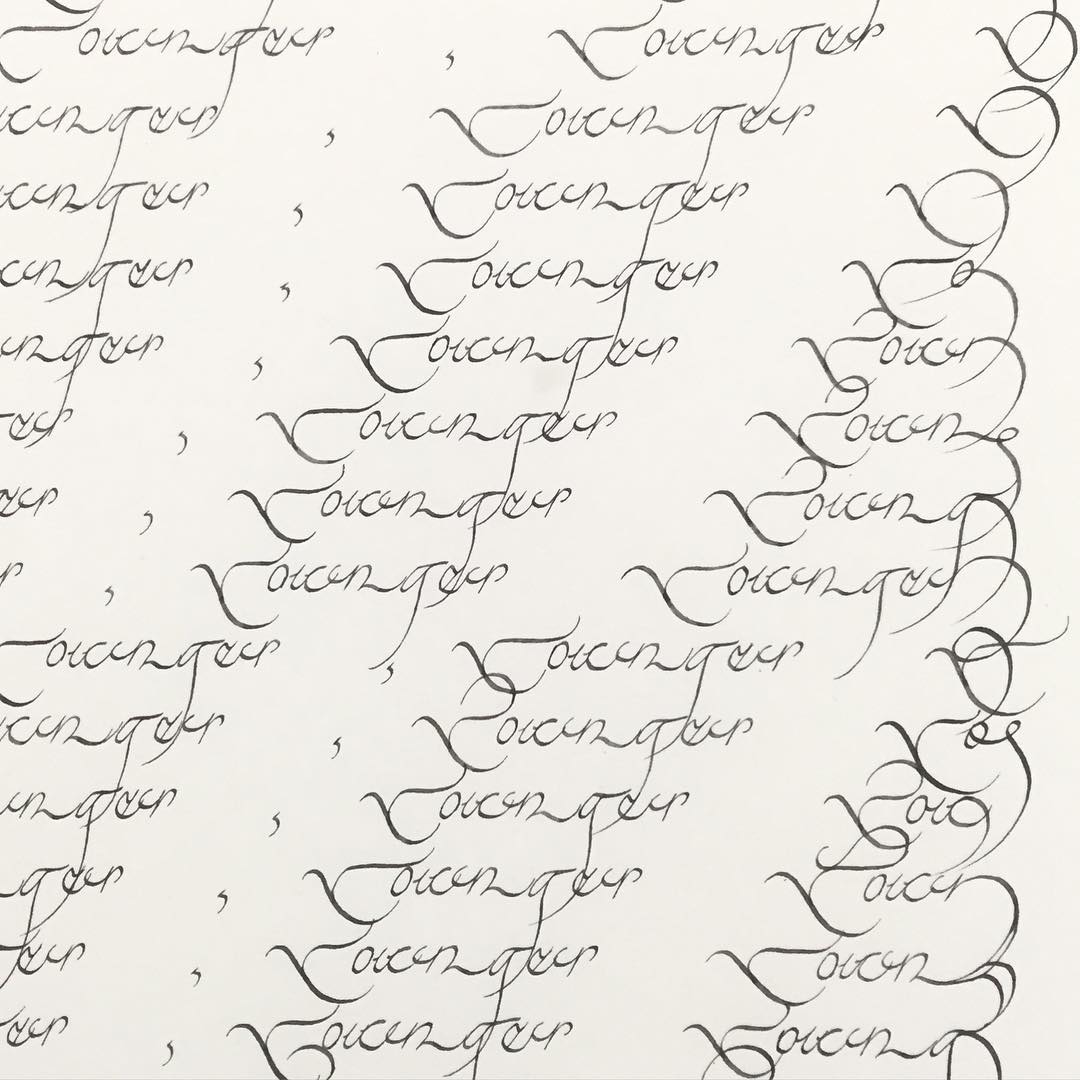
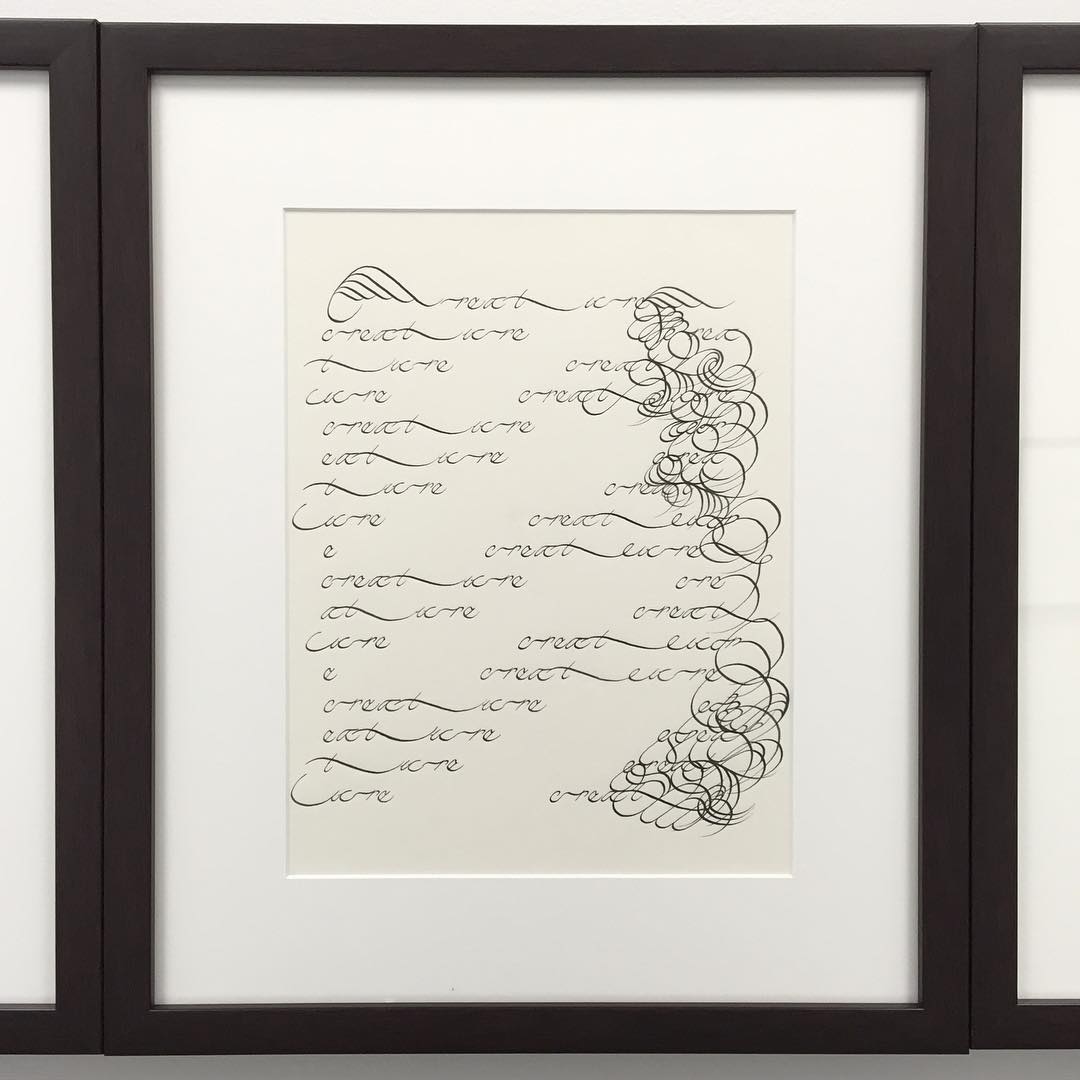
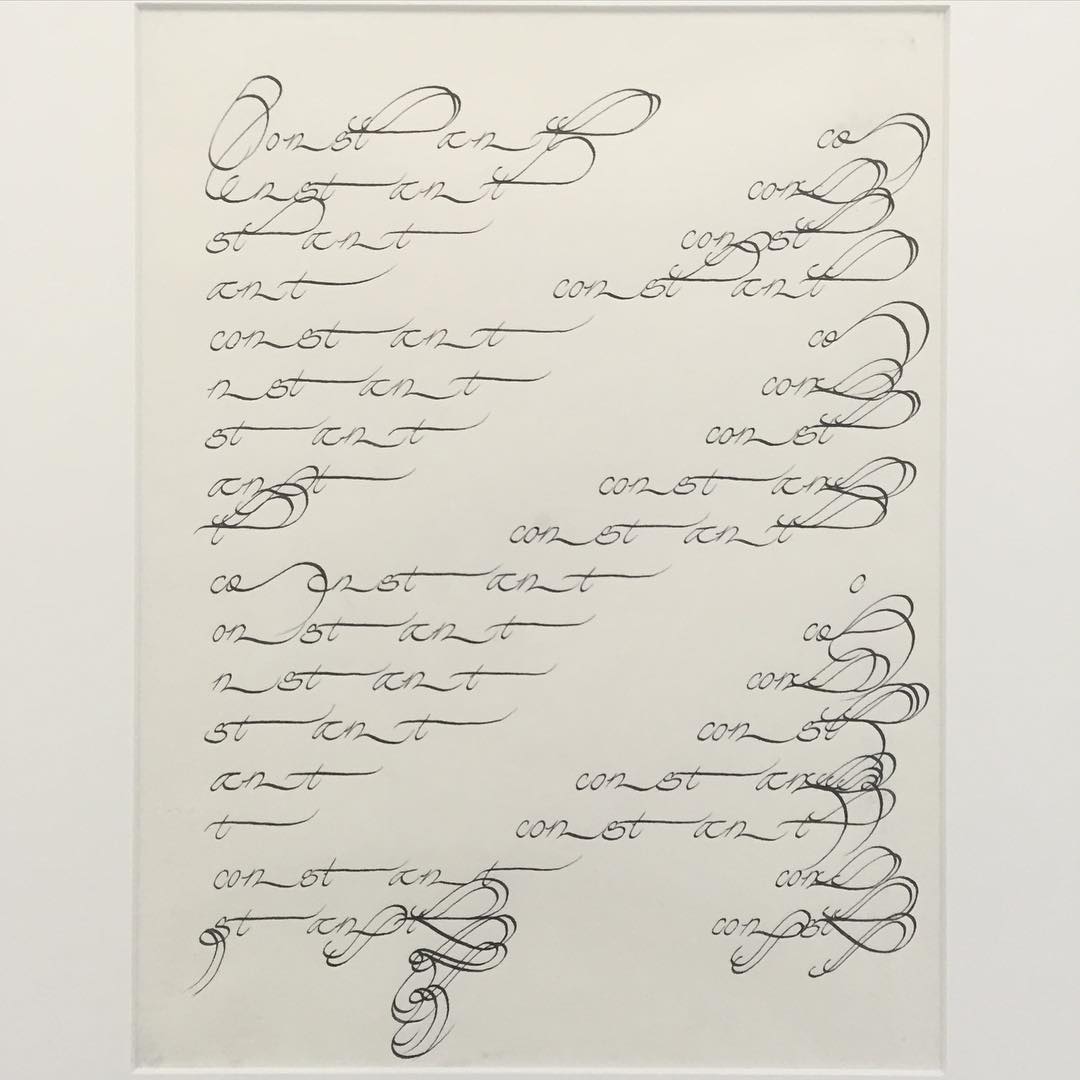
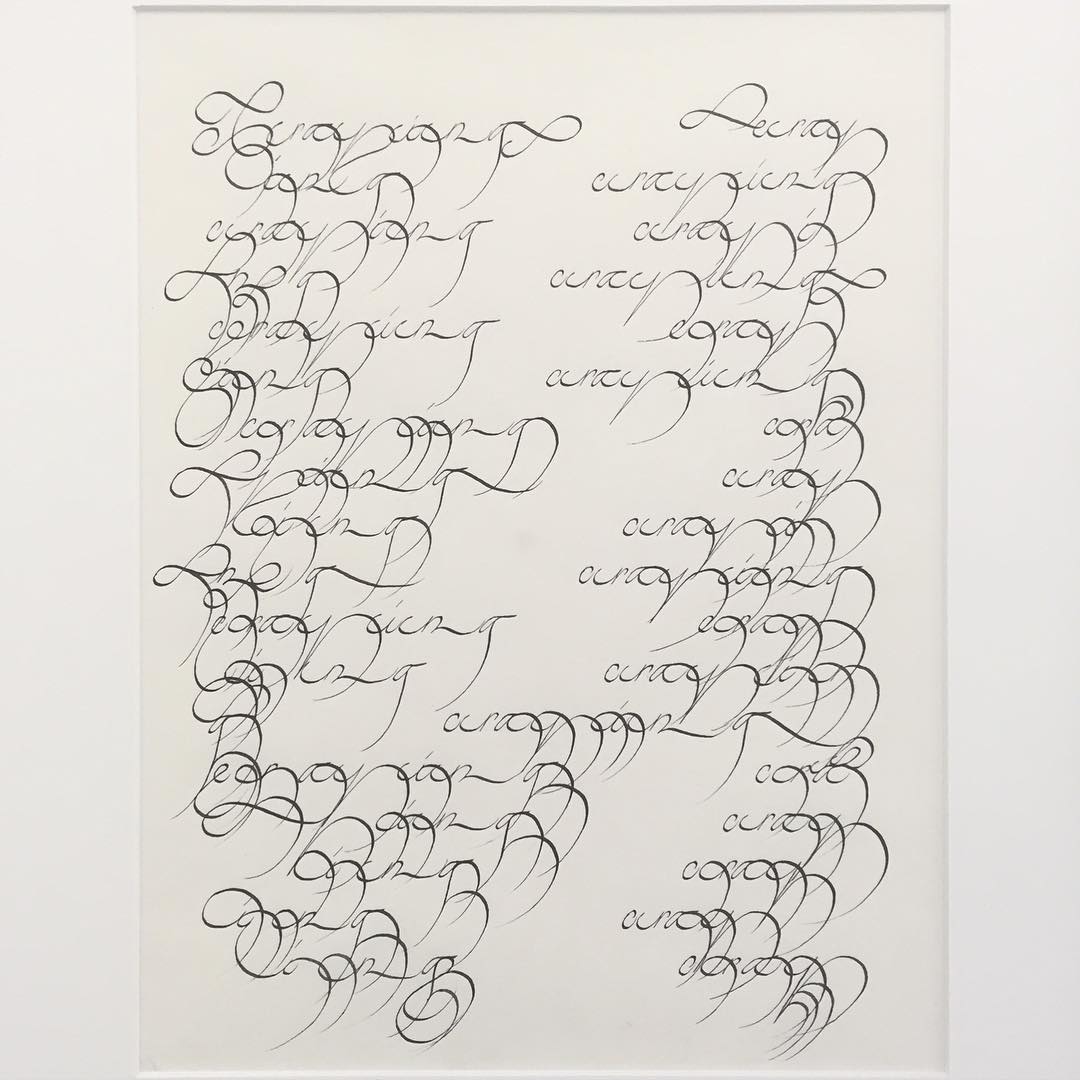
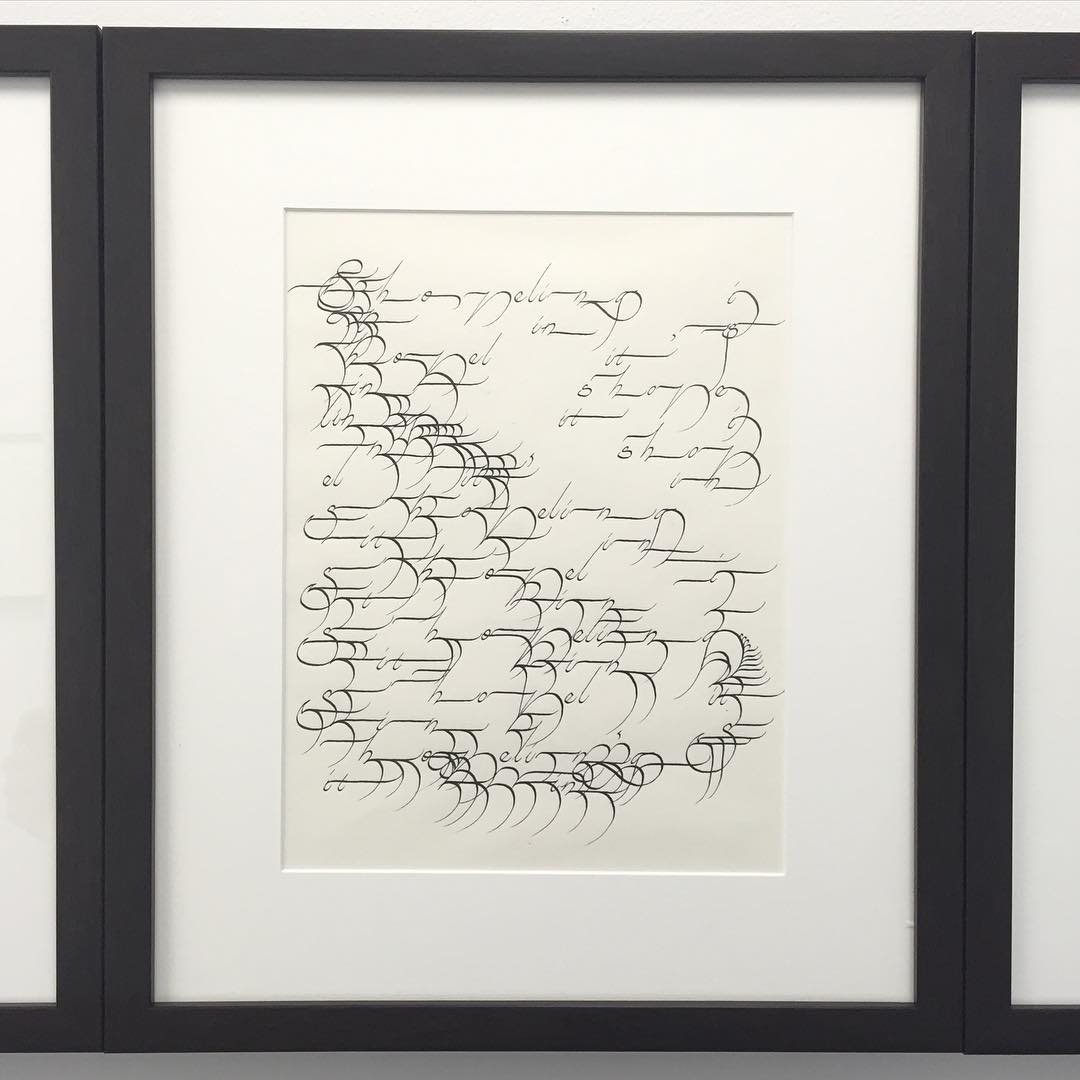
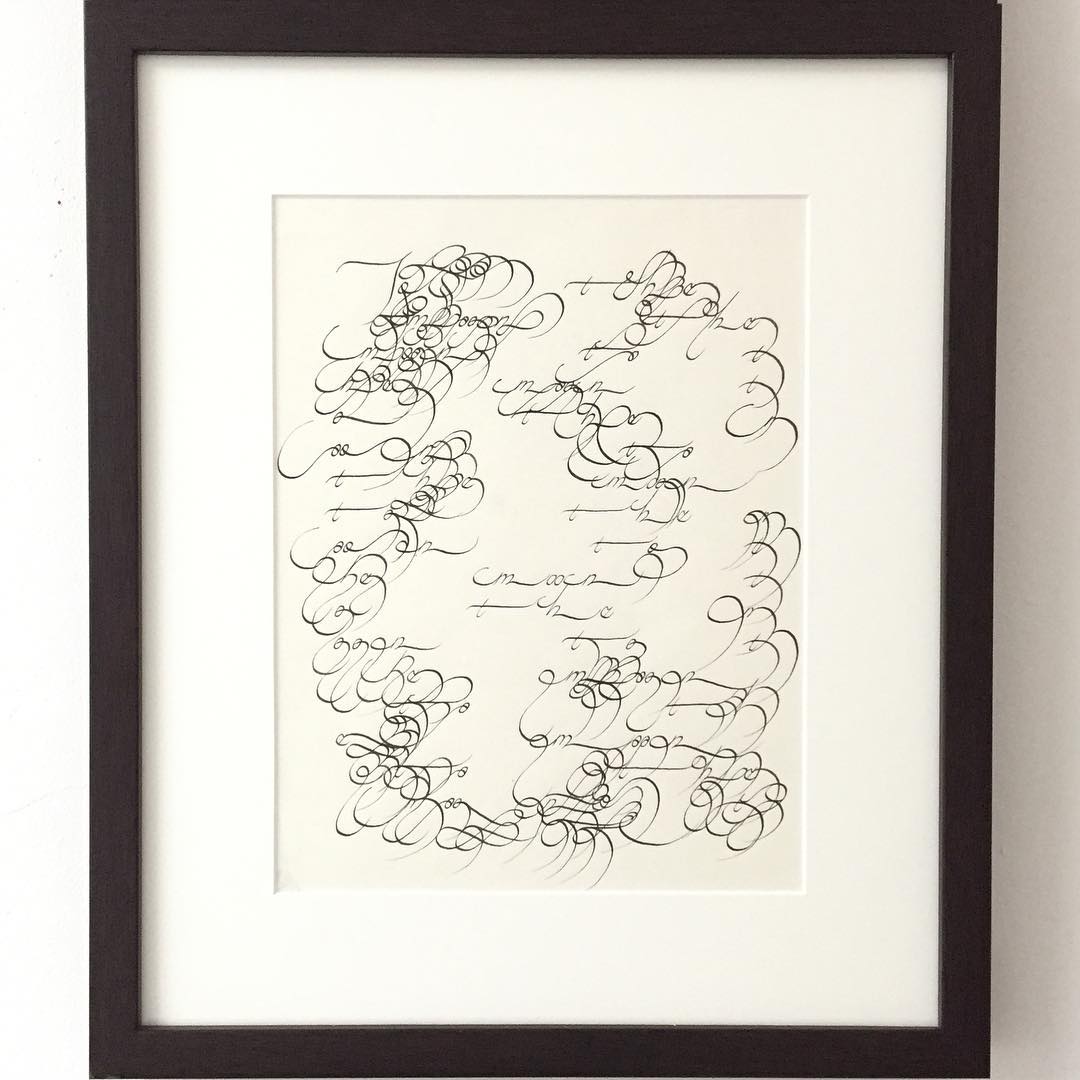
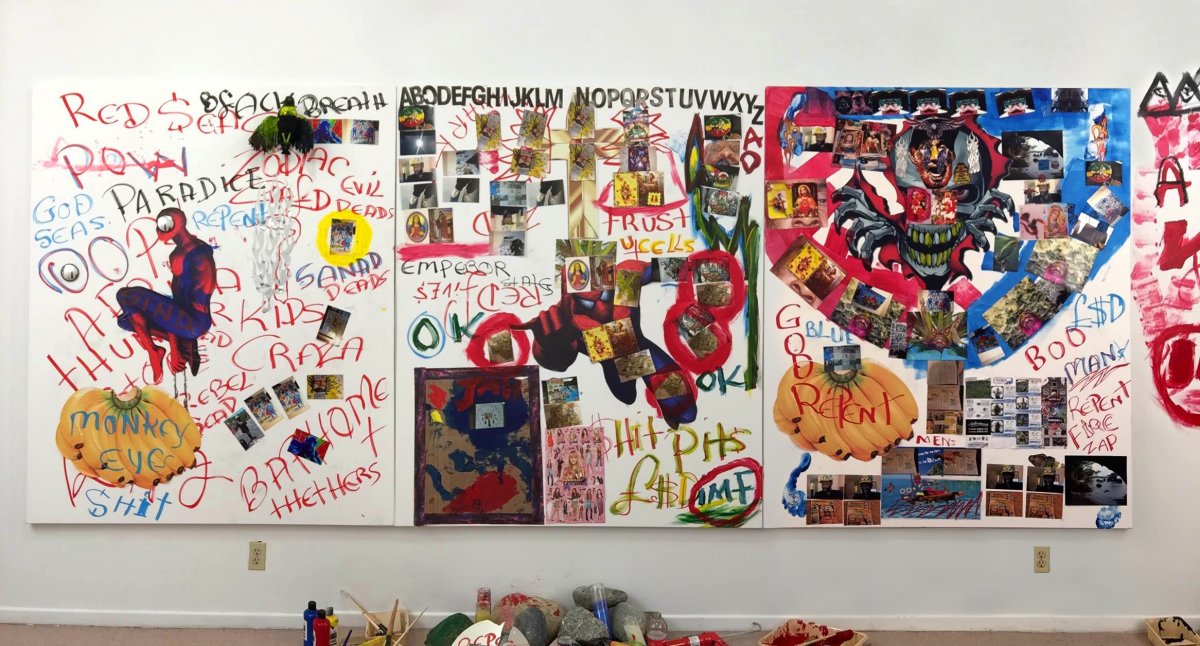
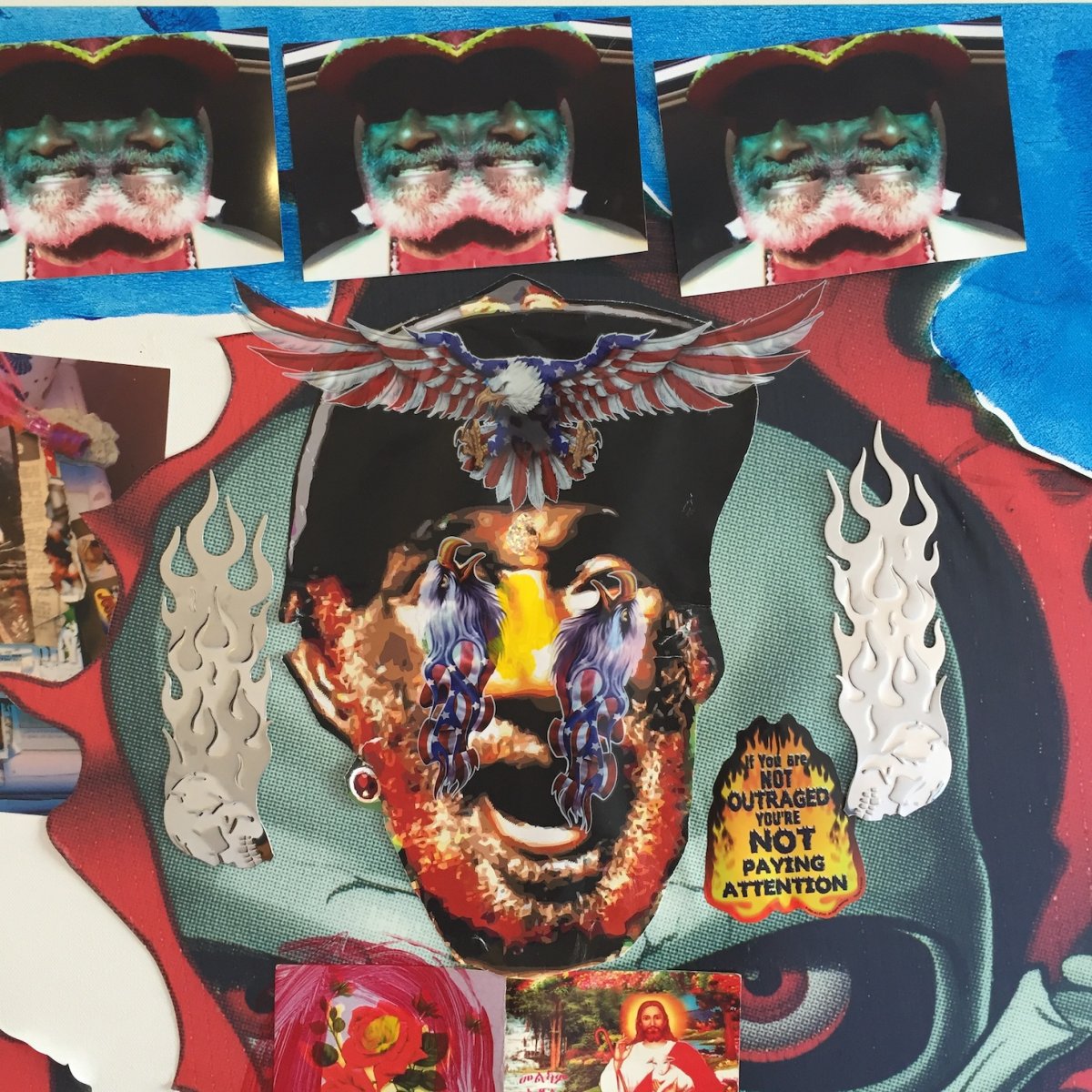
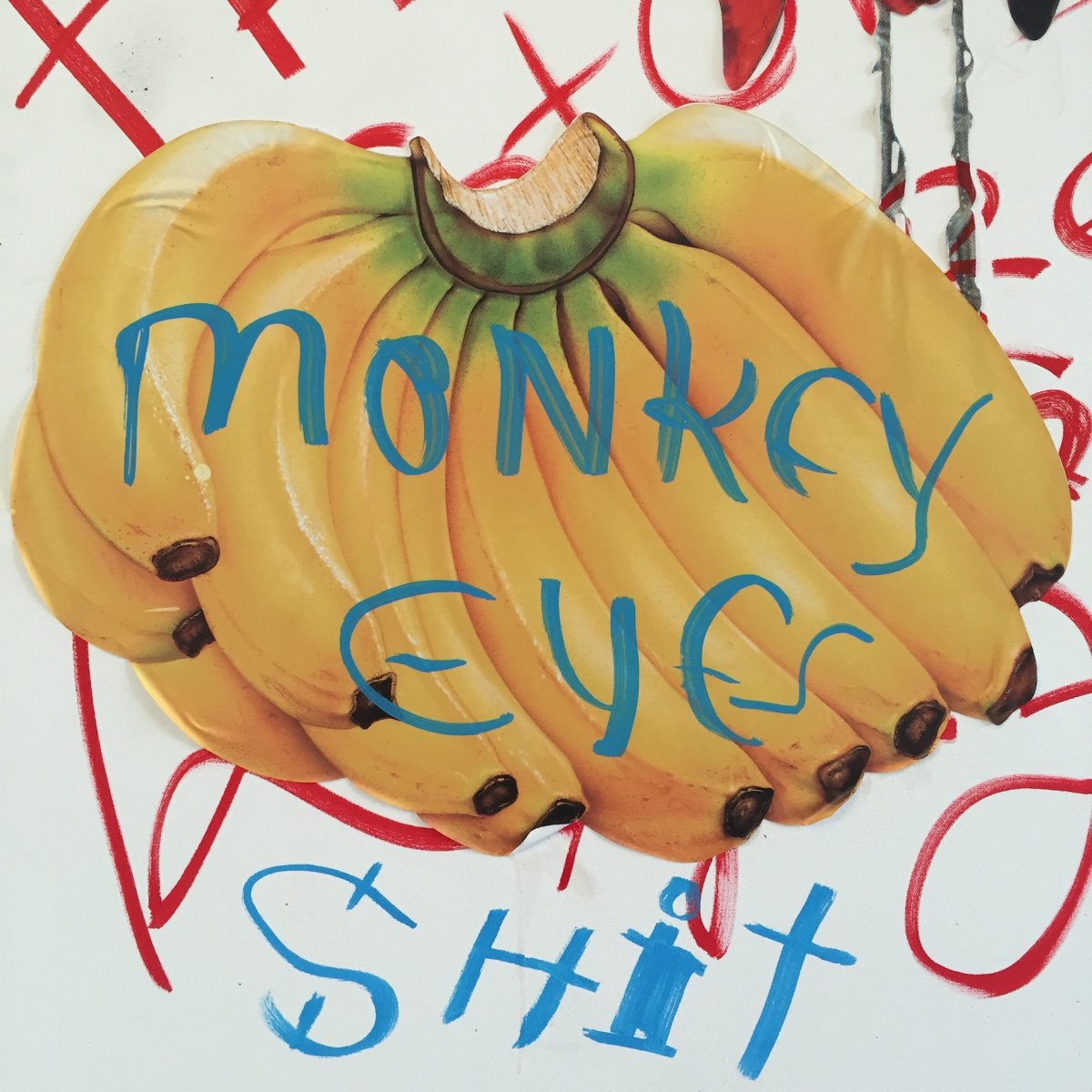
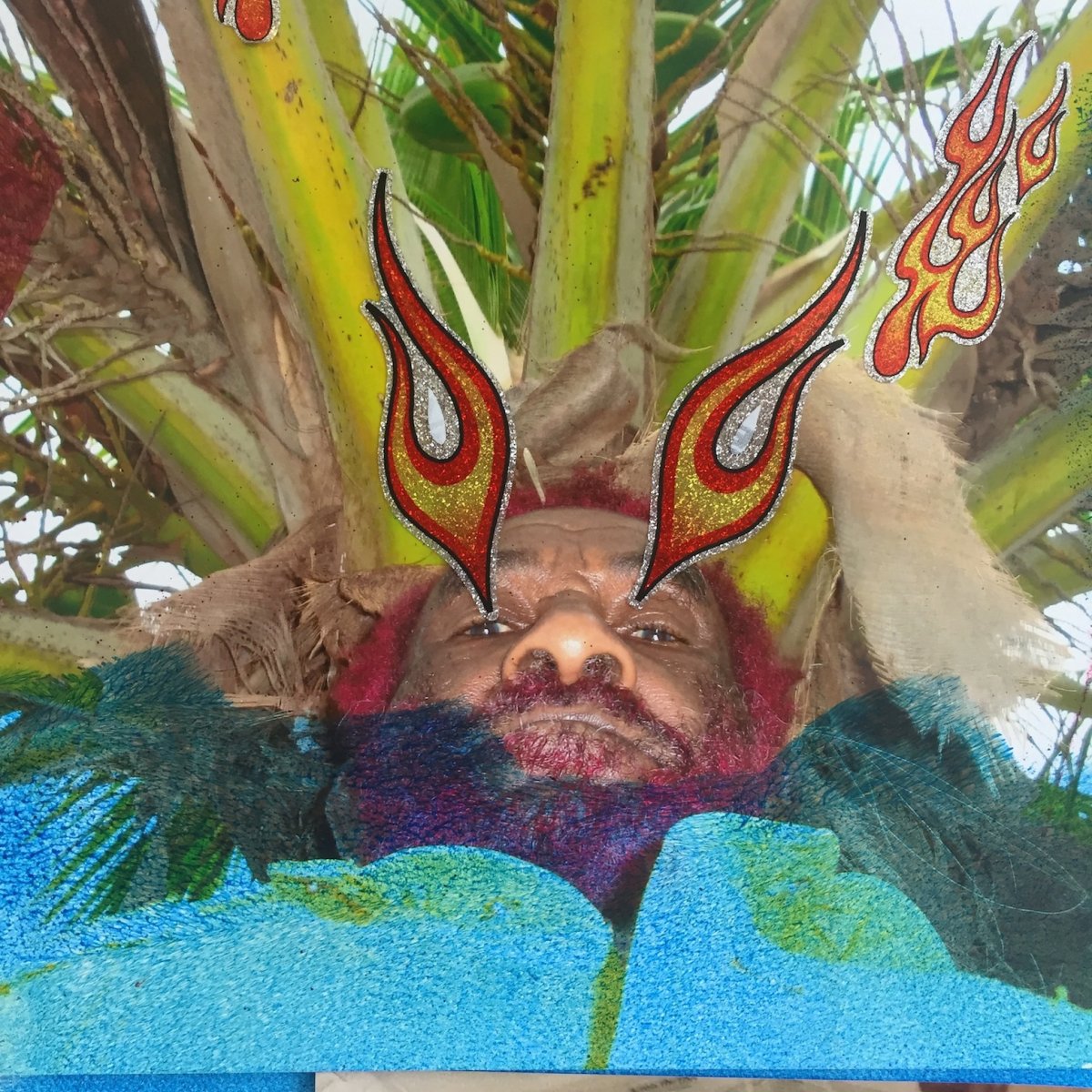
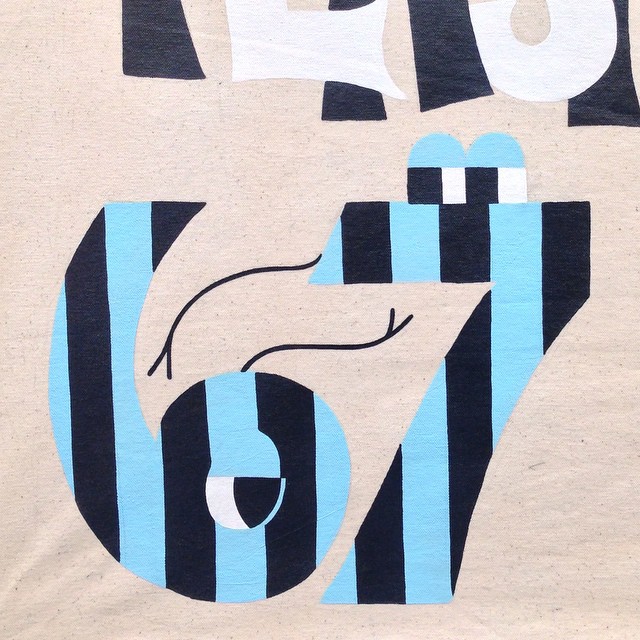
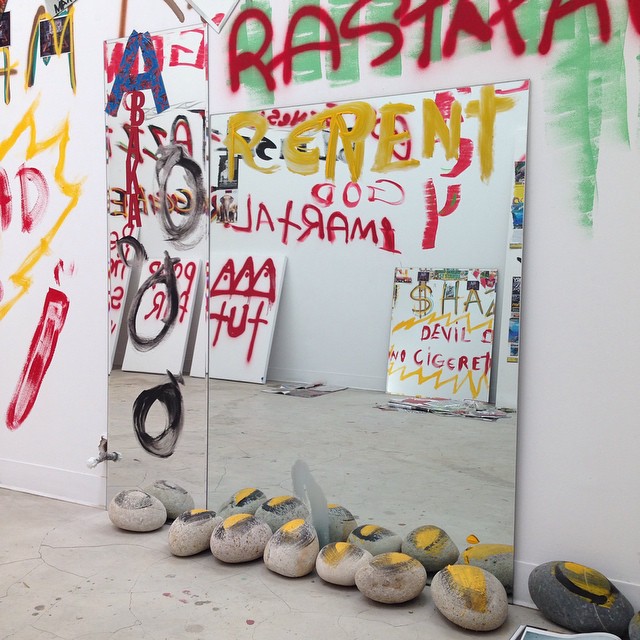
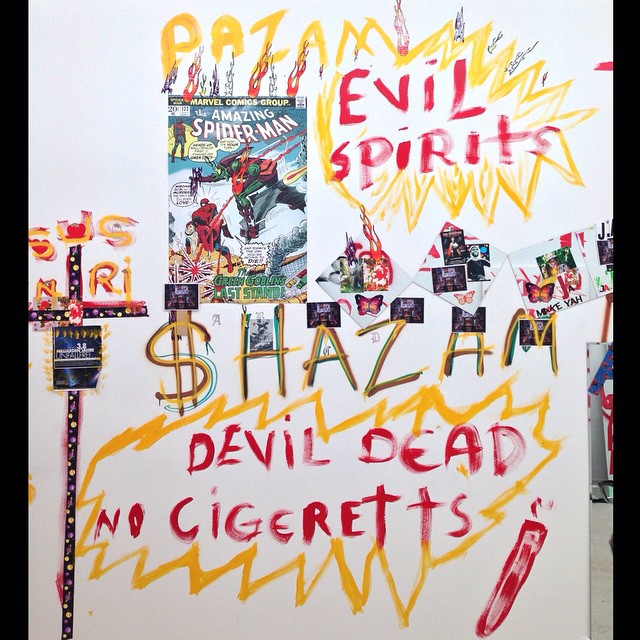
Dem Passwords in cooperation with The Anderson at Virginia Commonwealth University is pleased to present From the Word of First Thought, an exhibition of new works on paper and paintings by Ron Rege, Jr. This is our second solo exhibition with Rege, Jr. following The Cartoon Utopia 2014 in Los Angeles and the first with the support of The Anderson.
Ron Rege, Jr. draws comics in pursuit and illumination of hermetic thought. This has a history- William Blake comes to mind- but it's something rarer in the contemporary scene. Ron has drawn comic illuminations on the work of Madame Blavatsky, Manly P. Hall, and Hermes Trismegistus, on Tesla, Mesmer and Sun Ra, on biometry, cymatics, and sacred Chaldean astronomy, and even abstracter zines like "The Shell of the Self of the Senses." From the Word of First Thought digs into the gnostic tradition- a mystical or counter-Christian tradition running from the ancient codices of the Nag Hammadi to the high medieval heresy of Catharism- along with two large panels representing the images of what Ron refers to as the "Universal Goddess."
Let me explain by way of a fun historical digression why "hermetic comics" make so much sense and why it's weird that it isn't more practiced. To begin with, take the Cathars. Catharism, or Albigensianism, was a dualist heresy flourishing in Southern France and Northern Italy in the 12th and 13th century. It was "dualist" in that it didn't believe in one ultimate source of the creation- God- but two. There was a spiritual world of good created by a good God and a material world created by a bad one. Our whole time here was a state of fallenness and our material world- our bodies- were forever irredeemable. This included, to the horror of the church fathers, the transubstantiated body of Christ, though this wasn't the only point of difference between Cathars and the papal authority. Cathar contempt for the material world meant that wealth was an ignominious pursuit, gender and status were meaningless accidents, the church's thirst for temporal power was sinful, and even having children was to be avoided altogether, at least for the Cathar holy men, the "perfects." And although their numbers were small, Cathars were a thorn for the ballooning influence of papal authority. There had been ascetic orders before, such as the Benedictines, as well as anticlerical movements criticizing the clergy's behavior in light of church doctrine. But Catharism contradicted the doctrine itself, a doctrine largely settled since the council of Nicea muzzled Gnosticism some thousand years earlier. Worst of all for the Church, Cathars were well-loved within their communities and, both by their virtue and their persecution, made the Church look like a bunch of assholes.
Plus, the timing was bad for Rome. Pope Innocent III was still enjoying the zenith of the "papal monarchy." After several skirmishes with Europe's monarchs, the Pope was effectively the leader of all Christendom. It was a supremacy maintained less by arms or treasure than by the power of belief alone, or what the sociologist Michael Mann describes as "ideological power." Think about how unique this is. The dominant mode of power over Europe was sheer belief. The most heated questions were matters of cosmology and meaning. Knights who went on crusades often bankrupted their families and perished in the attempt, and why? Primarily in order to defend Christianity and to absolve themselves of some pretty unchristian behavior back home. Popes humbled kings with excommunication. All of Europe, from the peasantry up to the royalty, feared for their souls and the orthodoxy was nearly universal... Nearly. Innocent III ordered the Cathars to be converted by the inquisitors or crushed by what's been called the "Albigensian crusade." In most respects, Catharism was soon no more. In other ways though, Cathars spelled the beginning of the end for the Church's hegemony, a medieval rehearsal of the Return of the Jedi. Papal powers were on the wane. After the first, each Crusade spelled greater and greater disaster, with the Islamic powers chewing up more of the East by the year. The Black Death wiped out a third of the continent and made Christendom wonder if, just maybe, they weren't really God's favorite. And clamp down as the Church might, the Renaissance and Reformation quickly eroded the rest of the Church's monopoly on thought.
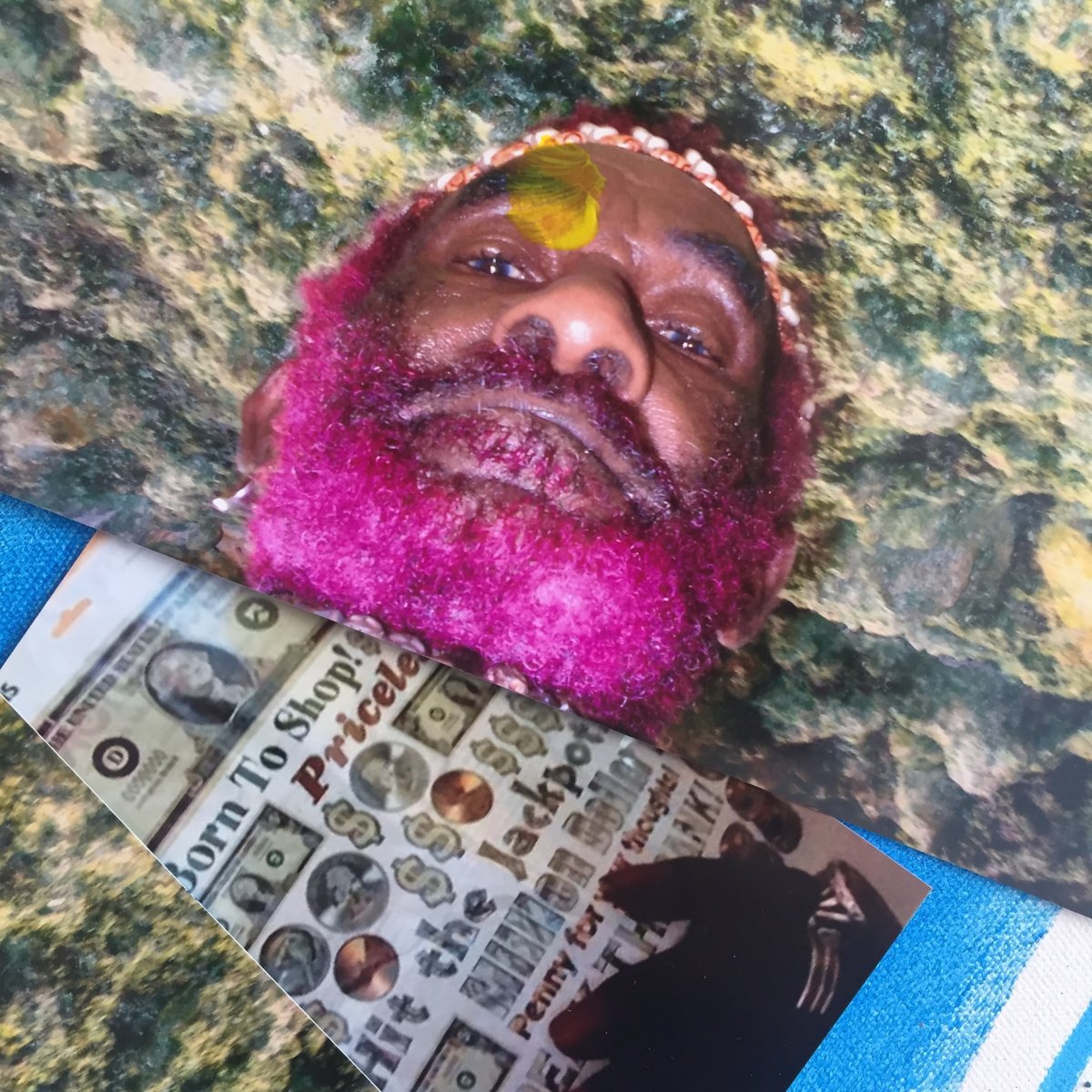
So the Cathars mark a turning point. For all that, they remain somewhat mysterious. Their works were burned and most of what we know of them comes from the drawers of enemies and inquisitors, meaning that Cathar wisdom is partly a matter of speculation. This is what unleashes Ron's imaginative faculty. Through comics he scries the hermetic- which is far different than the "fantastic" of most comics. We could invent a world or story in which dualist mystics battle a universal hegemon against annihilation- again like the Jedis- or we could, panel by panel, give image to the lost thought and struggles of our own world. One way isn't any better than the other; they complement each other. While the Universal Goddess- the imago of feminine religious power- is officially subordinate to masculine images, Ron points out that she pops up in our stories and works with a surprising self-similarity: as a Wonder Woman, a Statue of Liberty, or as a sculpture on the side of Echo Park lake. "Look for the star over the forehead," he tells me. The hermetic is not hiding to be difficult; it's a survival mechanism. It was suppressed, crushed, forbidden, or burned at the stake like Giordano Bruno in the Campo dei Fiori. But it always left a trail or signal. You just had to know where to look. The hermetic, in the best sense of the term, is always trying to reimagine what was lost and tell a story that was not dictated by the victors, a challenge that has rallied Ron's complete sympathies.
Comics, as a form, also seem more naturally conducive to this- how they're penned, swapped, xeroxed, discovered long-neglected in bins and basements, then read alone under lamplight- especially for someone like Ron who started producing comics while working in a copyshop and moving within New England underground circles. I can't help but think back to Giordano Bruno who, beginning as a young Dominican friar, was kicked out of the monastery when the fathers discovered his bedroom stash of hermetic texts and images. Bruno went on to write numerous works that ecstatically imagine an infinite universe neglected by the Church and what he saw as an oppressive Aristotelianism. And like Bruno, Ron's comics leap from intuition to intuition and depict a wide, unseen, shimmering world. Rather than streets, buildings, and rooms, his backgrounds wiggle, twinkle, and radiate energy. His characters are visible in both body and soul, and often at different stages of a metamorphosis. Rather than being breezy reads, though, you have to sit with each panel for a while, and let it sink in. From the Word of First Thought slows you down even more, parking you between large, bright hermetic icons and supplying you with some Nag Hammadi. Just to hang, and contemplate the power of counterbelief.
-- Text by Brandon Avery Joyce
Ron Rege, Jr., born 1969 in Quincy, Massachusetts, lives and works in Los Angeles. Rege, Jr. holds a Bachelor of Fine Arts from the Massachusetts College of Art in Boston and has exhibited at galleries and museums including The Art Gallery of Western Australia, Perth; 80 Washington Square East Gallery at NYU, New York; Regina Gouger Miller Gallery at Carnegie Mellon University, Pittsburgh; and Yerba Buena Center for the Arts, San Francisco.
Rege, Jr. began self publishing and distributing his own comics in Cambridge, Massachusetts during the early 1990's. His first graphic novel "Skibber Bee~Bye" was published by Highwater Books in 2000 and he's since published books with Drawn & Quarterly, McSweeney's, Buenaventura Press and Fantagraphics. Rege, Jr. has produced commercial illustrations for clients including The New Yorker, The New York Times, The Believer Magazine and Nickelodeon and maintains a monthly mini-comic subscription series called "The Shell of the Self of the Senses" available at www.patreon.com/ronregejr .